
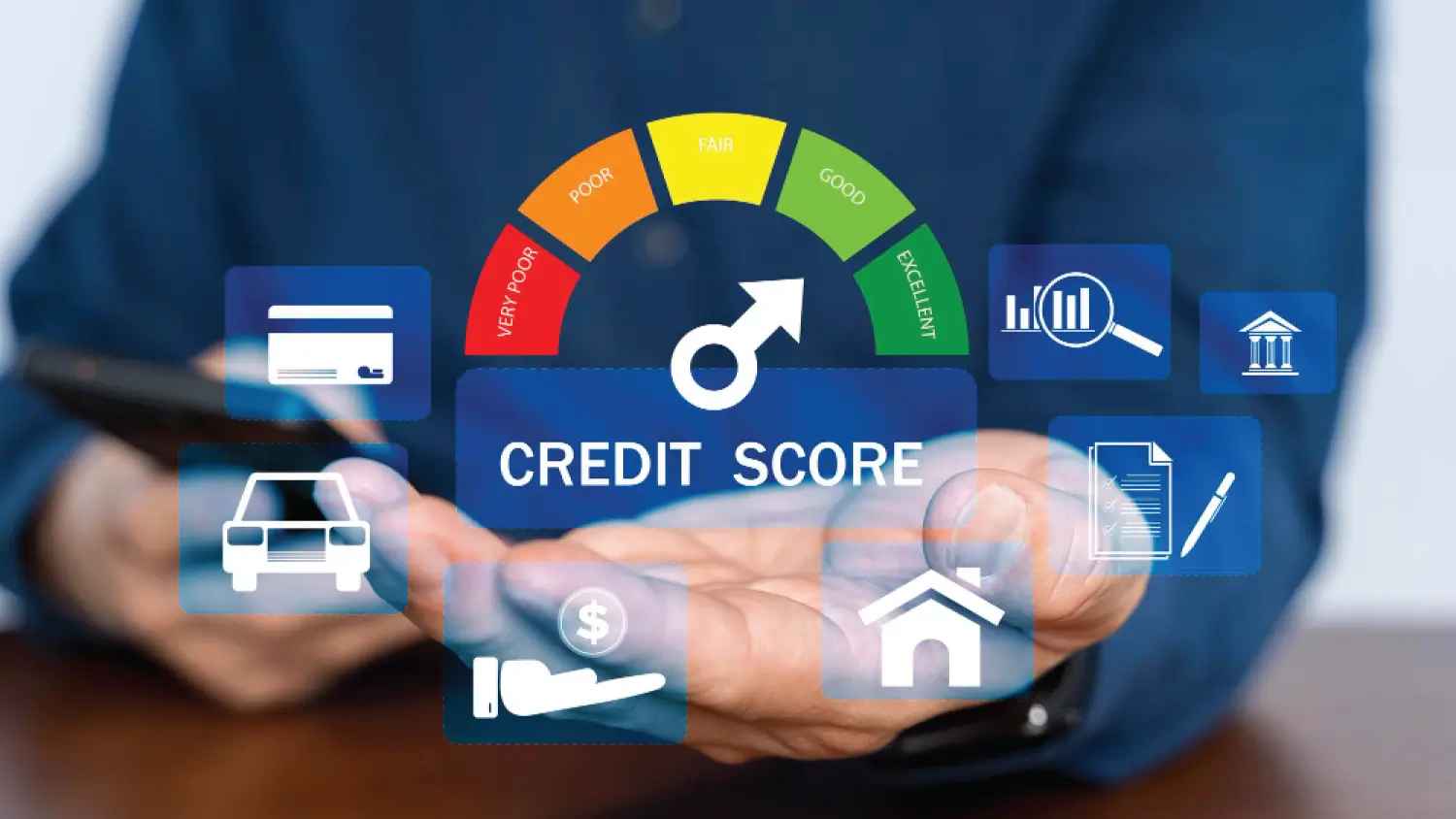
Improving your credit score is one of the most important steps you can take for your financial health. A good credit score not only helps you qualify for loans, mortgages, and credit cards but also saves you money through lower interest rates and better offers. The good news? You don’t need years to see positive changes. With the right strategies, you can improve your credit score quickly and safely without falling into risky financial traps.
At Smart Wealth Guide, we believe personal finance is an ever-evolving journey, and building a strong credit profile is a key pillar of long-term wealth.
Why Your Credit Score Matters
Your credit score acts as a financial trust rating. Lenders, landlords, and even some employers look at your score to gauge your reliability. A higher credit score can help you:
- Get approved for loans faster.
- Qualify for lower interest rates.
- Access higher credit limits.
- Enjoy better financial opportunities.
On the other hand, a low score can lead to rejections, higher costs, and financial stress.
How Credit Scores Are Calculated
Before improving your credit score, it’s essential to understand what goes into it. Most scoring models, like FICO, use the following factors:
- Payment History (35%) – Whether you pay bills on time.
- Amounts Owed (30%) – Your credit utilization ratio (balance vs. credit limit).
- Length of Credit History (15%) – How long you’ve had accounts.
- Credit Mix (10%) – Types of credit you use (cards, loans, mortgages).
- New Credit (10%) – How often you apply for new accounts.
Knowing this breakdown helps you focus on areas where improvement is fastest.
Quick and Safe Ways to Improve Your Credit Score
4.1 Pay Your Bills on Time
Your payment history is the single most important factor. Even one missed payment can hurt your score significantly. Setting up automatic payments or reminders ensures you never miss due dates.
4.2 Reduce Credit Card Balances
A high credit utilization ratio signals risk. Aim to keep balances under 30% of your credit limit, and ideally below 10% for faster improvements. Paying down existing balances can boost your score in just a few billing cycles.
4.3 Avoid Opening Too Many New Accounts
Every new credit application creates a “hard inquiry,” which can slightly reduce your score. Opening multiple accounts at once looks risky to lenders. Focus on managing existing accounts well before applying for new ones.
4.4 Increase Your Credit Limit
If your card issuer allows it, requesting a higher credit limit can instantly improve your utilization ratio-provided you don’t increase your spending. This is one of the safest and quickest ways to give your score a lift.
4.5 Dispute Errors on Your Credit Report
Studies show many credit reports contain inaccuracies. Request free annual reports from Experian, Equifax, and TransUnion. If you find incorrect late payments or accounts that don’t belong to you, dispute them immediately. Correcting errors can lead to rapid score improvement.
4.6 Use a Mix of Credit Responsibly
Having different types of accounts (credit card, personal loan, auto loan) shows you can manage multiple forms of credit. Don’t take on unnecessary debt, but responsibly maintaining a mix can strengthen your profile.
4.7 Become an Authorized User
If a trusted family member has a well-managed credit card, being added as an authorized user can help you benefit from their positive history. This works best if the account has a low balance and long history.
4.8 Consider a Secured Credit Card
For those with poor or limited credit, secured cards are excellent tools. By depositing collateral, you build credit with responsible use. Over time, you can upgrade to a regular credit card.
Long-Term Habits for Sustaining a Healthy Credit Score
While quick fixes work, long-term habits ensure stability:
- Always pay bills on time.
- Keep old accounts open to lengthen credit history.
- Review credit reports annually.
- Avoid maxing out cards.
- Use credit only when needed.
Consistent behavior builds financial credibility and ensures your score continues improving.
Common Mistakes to Avoid When Improving Your Credit Score
- Closing old accounts – This reduces credit history length and available limits.
- Applying for too much credit at once – Leads to multiple inquiries.
- Falling for credit repair scams – Some services promise instant results but are unsafe.
- Carrying high balances – Even if you pay on time, high utilization hurts.
- Ignoring your credit report – Mistakes left uncorrected can drag your score down.
The Ever-Evolving Nature of Personal Finance and Credit
Credit scoring models are constantly updated. For example, FICO and VantageScore periodically adjust how they weigh certain factors. As personal finance evolves, so should your strategies.
Today, responsible digital banking, timely payments, and smart credit use are more important than ever. Staying informed through trusted platforms like Smart Wealth Guide helps you adapt to these changes and keep your credit profile strong.
Conclusion
Improving your credit score doesn’t have to take years. By focusing on payment history, lowering utilization, correcting errors, and managing accounts wisely, you can see results in a matter of months. The key is consistency, patience, and avoiding shortcuts that may harm you long-term.
Your credit score is not just a number-it’s a reflection of your financial discipline. Start small, make steady progress, and watch as new opportunities open up.
FAQs
How quickly can I improve my credit score?
Improvements can start showing within 1–3 months if you pay bills on time, lower utilization, and fix errors. Bigger changes may take 6–12 months.
Is paying off debt better than just making minimum payments?
Yes. Paying off debt reduces utilization and shows financial responsibility, which boosts your score faster than making only minimum payments.
Should I close a credit card I no longer use?
Closing it reduces your available credit and credit history length. Instead, keep it open with occasional small purchases.
Can checking my credit score lower it?
No. Soft inquiries (like checking your own score) don’t affect your credit. Only hard inquiries from new credit applications impact it.
Are credit repair companies safe?
Many are not. Some charge high fees and use questionable tactics. You can improve your credit yourself safely using the methods in this guide.
What’s the fastest way to boost my credit score?
The fastest strategies include paying down balances, disputing errors, and ensuring on-time payments for all accounts.