
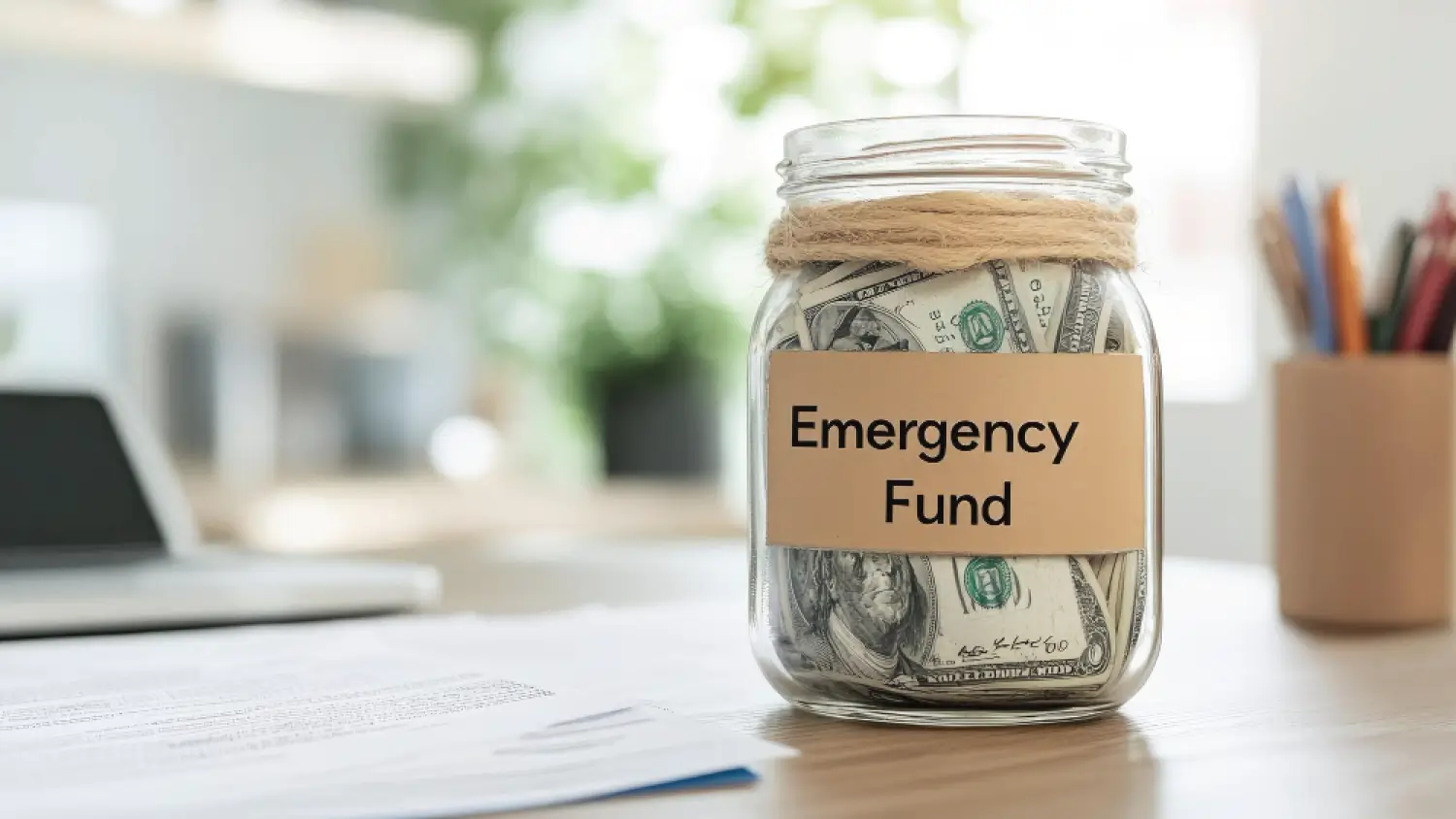
Life is unpredictable-job losses, medical emergencies, car breakdowns, or unexpected home repairs can happen when you least expect them. That’s where an emergency fund becomes a financial lifesaver. But the big question remains: How much should you really save for an emergency fund?
In this article, we’ll explore how to determine the right amount for your emergency savings, factors that affect it, and practical steps to build and maintain one. By the end, you’ll have a clear action plan to secure your financial safety net.
What is an Emergency Fund?
An emergency fund is a pool of money set aside specifically for unexpected, urgent expenses. It prevents you from relying on credit cards, personal loans, or dipping into long-term investments when life throws curveballs.
Unlike investment accounts, emergency funds are liquid and easily accessible. They are designed for:
- Sudden job loss
- Medical emergencies
- Essential home or car repairs
- Family emergencies
Why an Emergency Fund is Essential in Ever-Evolving Personal Finance
In today’s fast-changing economy, financial stability isn’t guaranteed. Layoffs, inflation, rising healthcare costs, and economic downturns make an emergency fund more crucial than ever.
Having one:
- Protects you from debt traps
- Reduces financial stress
- Gives you time to make better decisions during crises
- Safeguards your long-term financial goals
Websites like Smart Wealth Guide often emphasize the importance of adapting your financial planning to evolving circumstances. An emergency fund is the foundation of that adaptability.
How Much Should You Really Save?
The 3-Month Rule
Save enough to cover at least 3 months of essential living expenses (rent, utilities, food, transportation, insurance). Ideal for individuals with stable jobs, low living expenses, and no dependents.
The 6-Month Rule
A common benchmark recommended by financial advisors. This allows you to survive job loss or illness while searching for new income sources. Best for families, freelancers, or those with variable income.
The 12-Month Rule
Conservative but highly secure. One year’s worth of expenses gives peace of mind in uncertain job markets or for business owners and high-risk professionals.
Choosing What Fits You Best
- Stable job + single → 3 months may suffice
- Family + dependents → 6 months minimum
- Self-employed/freelancer → 9–12 months recommended
Key Factors That Determine Your Emergency Fund Size
- Income Stability – Salaried employees may need less than freelancers.
- Family Dependents – More dependents = higher savings needed.
- Health and Insurance Coverage – Good insurance reduces risk but doesn’t eliminate unexpected costs.
- Lifestyle and Expenses – Higher expenses require larger funds.
- Job Market Conditions – In uncertain economies, larger funds are safer.
Where to Keep Your Emergency Fund
Your fund should be safe, liquid, and easily accessible-not locked away. Best options include:
- High-yield savings accounts
- Money market accounts
- Short-term fixed deposits
- Cash management accounts
Avoid risky investments like stocks or long-term bonds for emergency funds.
Steps to Start Building Your Emergency Fund
- Assess Your Monthly Expenses – Calculate rent, utilities, food, insurance, and essentials.
- Set a Realistic Savings Goal – Start small, aim big. Even ₹1,000 per month adds up.
- Automate Your Savings – Direct transfers to your emergency account ensure consistency.
- Cut Unnecessary Costs – Reduce subscriptions, eating out, and impulse spending.
- Use Windfalls Wisely – Tax refunds, bonuses, or side-hustle income can boost your fund quickly.
Common Mistakes to Avoid When Building an Emergency Fund
- Using it for non-emergencies like vacations or shopping
- Keeping it in risky investments
- Underestimating your expenses
- Not replenishing after use
- Ignoring inflation impact
Emergency Fund vs. Other Savings Goals
It’s important to separate your emergency fund from other goals like retirement, vacation, or house down payment. An emergency fund is your first line of defense, while other savings are for planned milestones.
How to Replenish Your Fund After Use
Emergencies happen-that’s why you built the fund. But after dipping into it, prioritize replenishment:
- Redirect part of your income until the fund is full again
- Pause non-essential spending or saving for luxury goals
- Use side hustles or bonuses to speed up the process
Conclusion
Building an emergency fund is one of the smartest financial decisions you can make. Whether you choose the 3-month, 6-month, or 12-month rule, the key is tailoring it to your lifestyle, income, and financial risks.
Remember, personal finance is ever-evolving, and your needs may change over time. Review your fund annually and adjust as necessary. As Smart Wealth Guide highlights, a strong emergency fund not only protects you from life’s surprises but also empowers you to make confident financial choices without fear.
Your future self will thank you for starting today.
FAQs
Is ₹50,000 enough for an emergency fund?
It depends. For a single person with low expenses, it may be enough for short-term emergencies. But ideally, aim for 3–6 months of living expenses.
Should I invest my emergency fund?
No. Your emergency fund must be safe and accessible. Avoid stocks or long-term bonds.
How fast should I build my emergency fund?
There’s no fixed timeline. Start small, stay consistent, and gradually increase contributions until you reach your target.
Can I use credit cards instead of an emergency fund?
Credit cards create debt and high interest rates. They’re not a substitute for a proper emergency fund.
Should I keep cash at home?
Keep a small amount (for power outages or immediate needs), but the bulk should stay in a secure bank account.